
Grass fire prevention
Grassfires often happen after lengthy periods of dry weather and can spread rapidly, causing devastating damage to property, wildlife, and natural landscapes. Unfortunately, most grass fires are started start by human activity – whether it's a barbecue, discarded cigarettes, bonfires or ever arson.
The three most common causes of grass fires across Kent and Medway are the careless disposal of barbecues and smoking materials, and bonfires that have spread out of control.
Help prevent grass fires...

Bonfires
Keep bonfires to a manageable size, built well clear of greenery and property, and never leave them unattended while burning

Barbecues
Place disposable barbecues on a sturdy, non-flammable surface when cooking, and only place in a bin once fully cooled

Smoking material
Dispose of cigarettes and other smoking materials responsibly. Make sure they're fully extinguished and cool before placing them in a bin. When out and about, consider using a portable ashtray

If you see a grass fire ...
If you see a fire, call 999 immediately.
Provide as much detail as possible including the terrain, size, and location. What3Words is a useful app that can pinpoint your exact location, making it easier for firefighters to find.
Report any suspicious fire activity immediately to authorities or call Crimestoppers anonymously at 0800 555 111
What is a wildfire
Wildfires are simply as larger, more intense uncontrolled outdoor fire, that requires much more resources to manage.
Small grass fires have the potential to lead to wildfires.
The Fire Severity Index: How serious fires could become
The Met Office provides a Fire Severity Index (FSI), which predicts how severe a wildfire could become if one were to ignite. Based on this data, Kent Fire and Rescue Service has developed a simple guide to outline the risks at each level, along with guidance and recommendations for people to prevent wildfires from starting and how to stay safe.
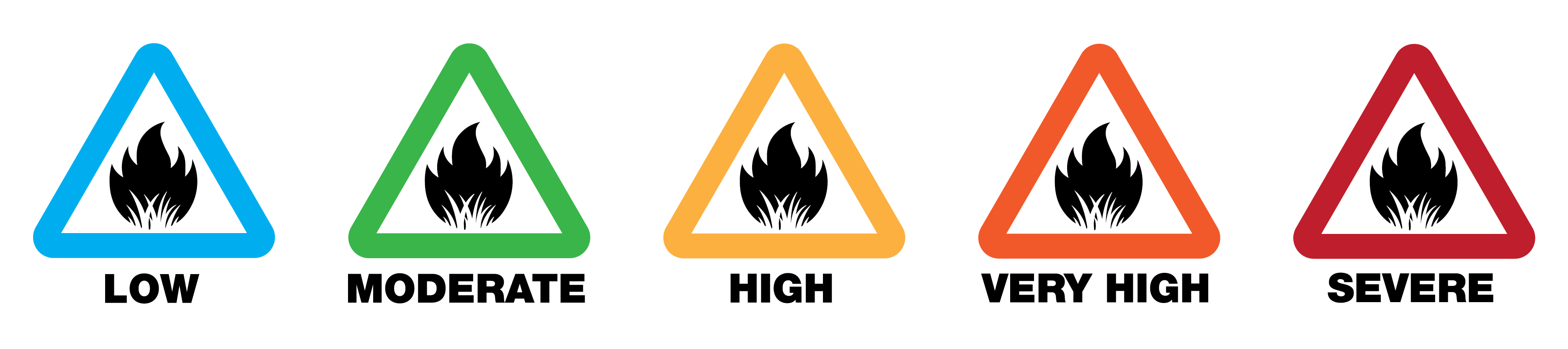
Low (Blue) – Minimal Risk
Risks
- A fire is unlikely to ignite naturally.
- If a fire starts, it will spread very slowly and be easy to control.
- Cooler temperatures, moisture in vegetation, and low wind reduce the fire risks.
Prevention guidance
- Dispose of cigarettes, matches, and glass responsibly.
- Follow local countryside codes and any specific fire safety advice.
- Be mindful of garden bonfires and barbecues - keep a water source nearby.
Moderate (Green) – Increased Awareness Needed
Risks:
- Small fires may start but are usually controllable.
- Dry and windy conditions can increase fire spread slightly.
Prevention guidance:
- Dispose of cigarettes, matches, and glass responsibly.
- Keep bonfires, campfires and fire pits small – with water or a fire extinguisher on hand
- Only use barbecues in authorised areas and never leave them unattended.
High (Yellow) – Fires Can Spread Quickly
Risks:
- If a fire was to ignite, it could spread quickly.
- Fires may be difficult to control if not detected early.
- Wind can carry embers, increasing the risk of secondary fires.
- Smoke can cause health hazards, especially for vulnerable individuals.
Prevention guidance:
- Throw cigarettes away responsibly - consider a portable ashtray for on the go
- Take any litter home, as glass can magnify sunlight and start fires.
- Avoid using barbecues and disposable grills in open areas, and when using at home, keep them well clear of greenery and property
- Avoid having bonfires
- Park vehicles on hard surfaces, not on dry grass as hot exhausts can ignite fires.
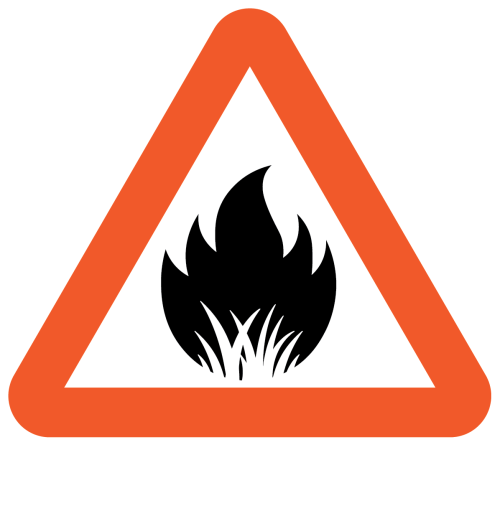
Very High (Orange) – Wildfire Risk is Severe
Risks:
- If a fire was to ignite, it could spread rapidly, posing significant danger.
- Fires may be difficult to control if not detected early.
- Wind can carry embers, increasing the risk of secondary fires.
- Smoke can cause health hazards, especially for vulnerable individuals.
Prevention guidance:
- Throw cigarettes away responsibly - consider a portable ashtray for on the go
- Take any litter home, as glass can magnify sunlight and start fires.
- Avoid using barbecues and having bonfires.
- Stay informed of any incidents on our website and social media.
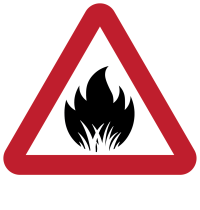
Severe (Red) – Extreme Wildfire Danger
Risks:
- If a fire was to ignite, it could spread at a dangerous rate.
- Extreme heat, drought, and wind can make fires uncontrollable.
- Large-scale evacuations may be required in affected areas.
- Risk to life, property, wildlife, and ecosystems is critical.
Prevention guidance:
- Throw cigarettes away responsibly - consider a portable ashtray for on the go
- Take any litter home, as glass can magnify sunlight and start fires.
- Avoid any fire-related activity, including barbecues and bonfires.
- Be prepared to evacuate if advised by emergency services.
- Stay informed of any incidents on our website and social media.
Fire severity level in your area
The Fire Severity Index (FSI) indicates the current fire risk in your specific area. Visit the Natural England Open Access website to view the county-wide map.